

Cancer, Termination, and Withheld Final Dues: A Journey of Courage Against the Odds
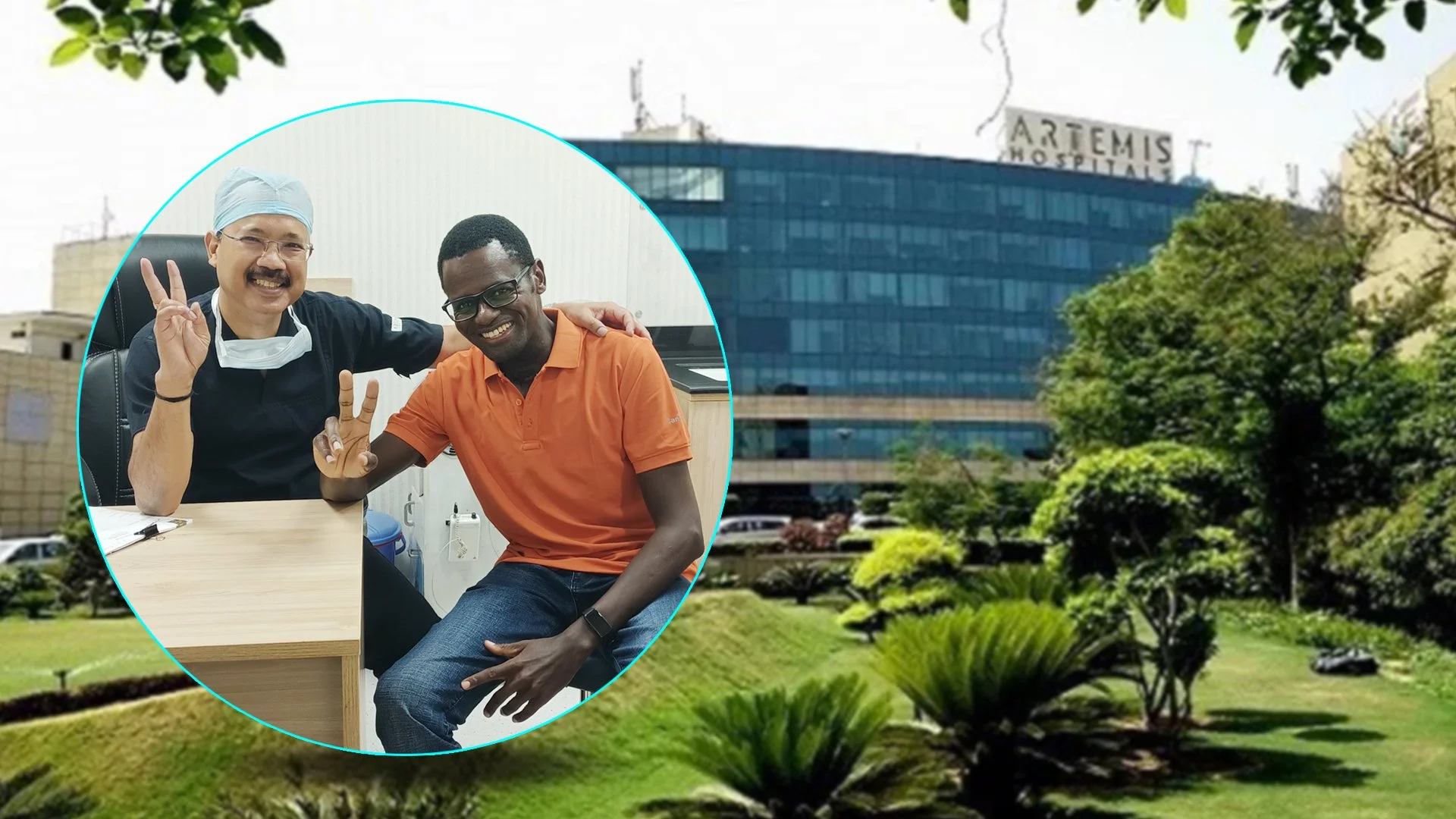
Artemis Hospital with a picture of Kizito Namulanda (right) with Dr. Hazarika (inset)
By Kizito Namulanda
Diagnosis and The Will to Fight
When I received the results of my biopsy, I was devastated. The results came via email, and as soon as I read the diagnosis, I dropped what I was doing and drove straight home. Standing at the door of my house, I looked at my two-and-a-half-year-old son and thought, “He hasn’t even started school.” I climbed the stairs, locked the door, and began to cry. Tears rolled down my cheeks freely. It was heavy—so many things rushed through my mind. I felt death crawling toward me, and I felt helpless.
What I Understood online
Before I got the results, I had spent a lot of time searching on Google. I already understood some basics. I immediately recognized that the tumors in my vocal cords were cancerous. The diagnosis read: Invasive well-differentiated squamous cell carcinoma. The reality was hard to swallow; I could not believe I had cancer. From where had this come? What had started as a hoarse voice had suddenly become a life-threatening condition.
I had read that most often, this type of cancer is caused by heavy smoking, yet I had never smoked—even half a cigarette in my life. I wasn’t a heavy drinker either. I had always been health-conscious—eating well and going to the gym. From my Google searches, I learned that patients with this cancer who progress to stages 3 and 4 typically live, on average, for a maximum of six months. I had heard of cases where people deteriorated quickly and succumbed within six months of diagnosis. I could not imagine it. It was only later that I learned mine had progressed to stage 3.
Turning Point: A message of Hope
After the heavy sobbing, I remembered that I still had to take the results to my doctor for interpretation the next day. Then I remembered I needed to call my uncle Dr. Humphreys Otele, a senior doctor in Nairobi. Considering how busy he was, I forwarded the biopsy results to him without explanation. He called me immediately and asked where I was. I told him I was at home. He said, “Please wait for me; I am coming over.” That reaction told me that all was not well.
On reflection, I asked him to meet me at a nearby shopping center so we could discuss privately. He didn’t take long to arrive. The first question he asked was what the doctor had said. I told him I was yet to see my doctor. We discussed many things after that. His objective was clear: let’s wait for the final word from your doctor, but even if the worst is confirmed, you should know this is not a death sentence. You can still survive, and I want you to prepare for a fight. His simple, honest message of hope became everything I needed. After that talk, I made a resolve to put up a strong fight and change my outlook, focusing on beating the disease. The following day, I went to see Prof Isaac Macharia at Nairobi ENT clinic accompanied by my uncle, and a further test—a PET-CT scan—was prescribed.
Before undergoing the PET-CT, I continued going to work as the waiting list was a bit long. Things were not the same, but I kept everything to myself and prayed to God throughout. Only Dr. Mercy Korir—Editor in Charge of the Health Desk at the newly launched, modern digital newsroom that I had spearheaded as part of Standard Group’s digital transformation journey—knew what I was going through. She was immediately very helpful, using her medical background and contacts to provide support and moral assistance. I told my colleagues about what was happening only much later.
When I finally had the PET-CT, the results confirmed what we had feared. From that moment, we decided to fly to India for treatment. We planned everything and identified a hospital—Max Super Specialty Hospital in Delhi—and eventually flew out in April 2022.
Treatment Regimen
When I arrived in Delhi, the hospital—Max Super Specialty Hospital in Shalimar Bagh—had sent a driver to pick me up at Indira Gandhi International Airport. I was filled with anxiety. We wasted no time; the day after arriving, my coordinators Madam Shivangi and Mr. Vivek organized a consultation with the doctor. We first met Dr. Archit Pandit, who reviewed my case and referred me to the Head of Radiology, Dr. Rajendar Kumar. I remember Dr. Archit asking a question between me and my brother Peter Musumba, who was the patient. Physically, I looked perfectly fine. But when I spoke, he immediately said, “It must be you. I can tell from your voice.” I recall a caretaker at the hotel where I stayed making a similar joke as I left for the hospital that morning, saying I looked like a business executive going to hospital for business rather than a patient seeking treatment.
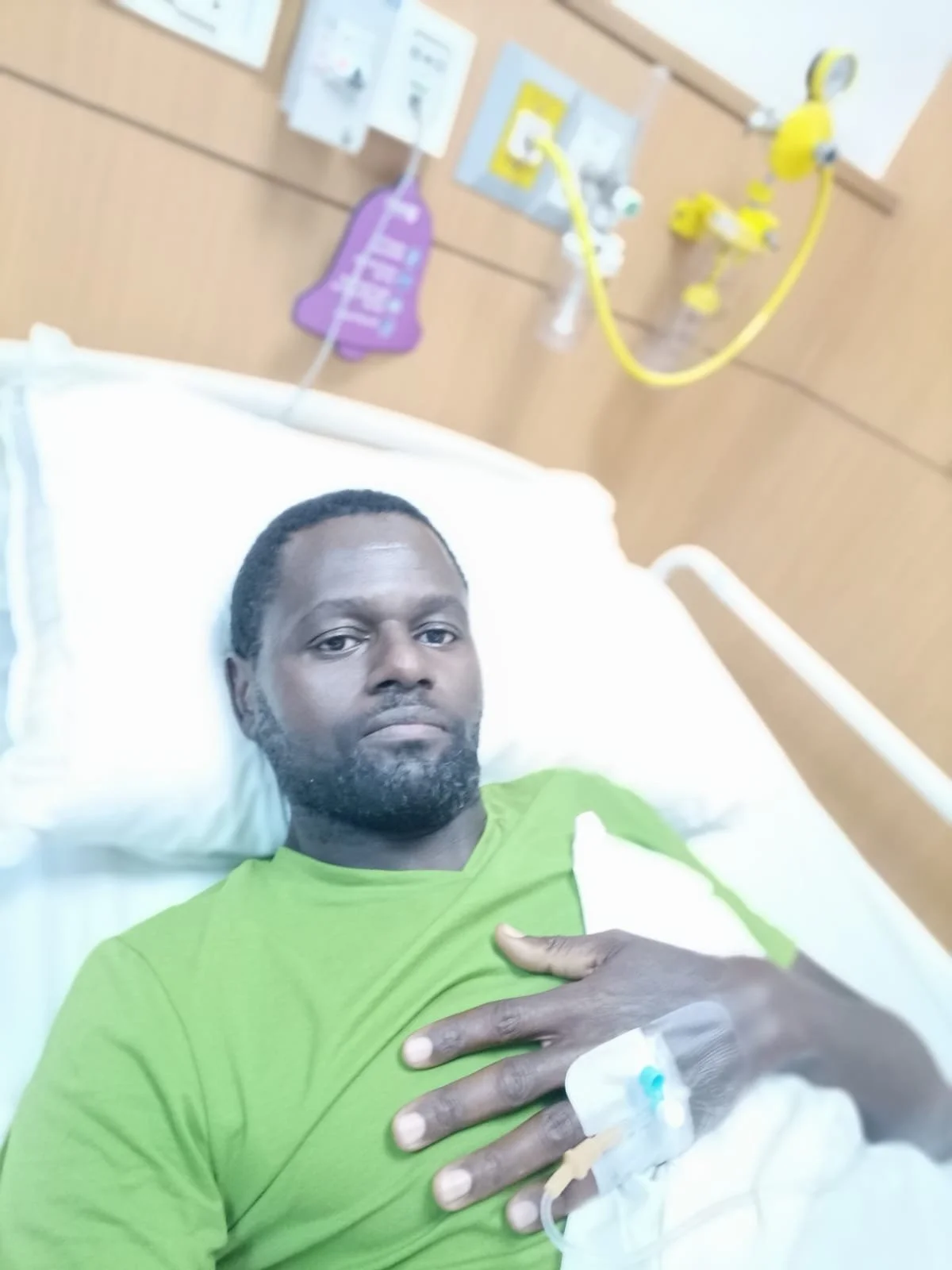
A Fight for Life: Undergoing Cancer Treatment in India
Kizito Namulanda during a chemotherapy session at Max Super Specialty Hospital in Shalimar Bagh, New Delhi, India. Between April and June 2022, he underwent intensive chemotherapy and radiation treatment for laryngeal cancer, a journey that tested his resilience and determination.
After further examination, which included repeating all the tests I had done in Nairobi—including the biopsy and PET-CT scans—the doctors prescribed a combined radiotherapy and chemotherapy regimen administered concurrently. I underwent radiation sessions daily—Monday to Friday—with chemotherapy sessions running weekly. The radiation sessions were brief and easy, lasting about five minutes; you basically feel nothing, but as the days passed, I began losing weight and feeling weaker. The chemotherapy sessions were more challenging. The team of doctors who treated me—Dr. Rajendar Kumar, Dr. Ajay Shamar, Dr. Naman Utreja, and Dr. Jyoti Mehta—were very friendly and kind, always giving me hope and praising my fighting spirit.
Return, Recovery, and Recalibration
After rigorous treatment, I was cleared to travel back home to recuperate. Though I remained very weak, my doctors advised that being in a familiar, family-centered environment would speed up my recovery. I lost a total of 34 kilogrammes, dropping from 74 to 40. Radiotherapy had targeted my throat, turning feeding into a painful challenge. I could only manage small amounts of finely blended foods after taking medicines that numbed my throat to dull the pain. The pain grew worse with each passing day. I had to stay strong.
The doctors gave me a lot of hope, explaining that they had treated worse cases and were confident I would be healed completely. Those words gave me immense strength.
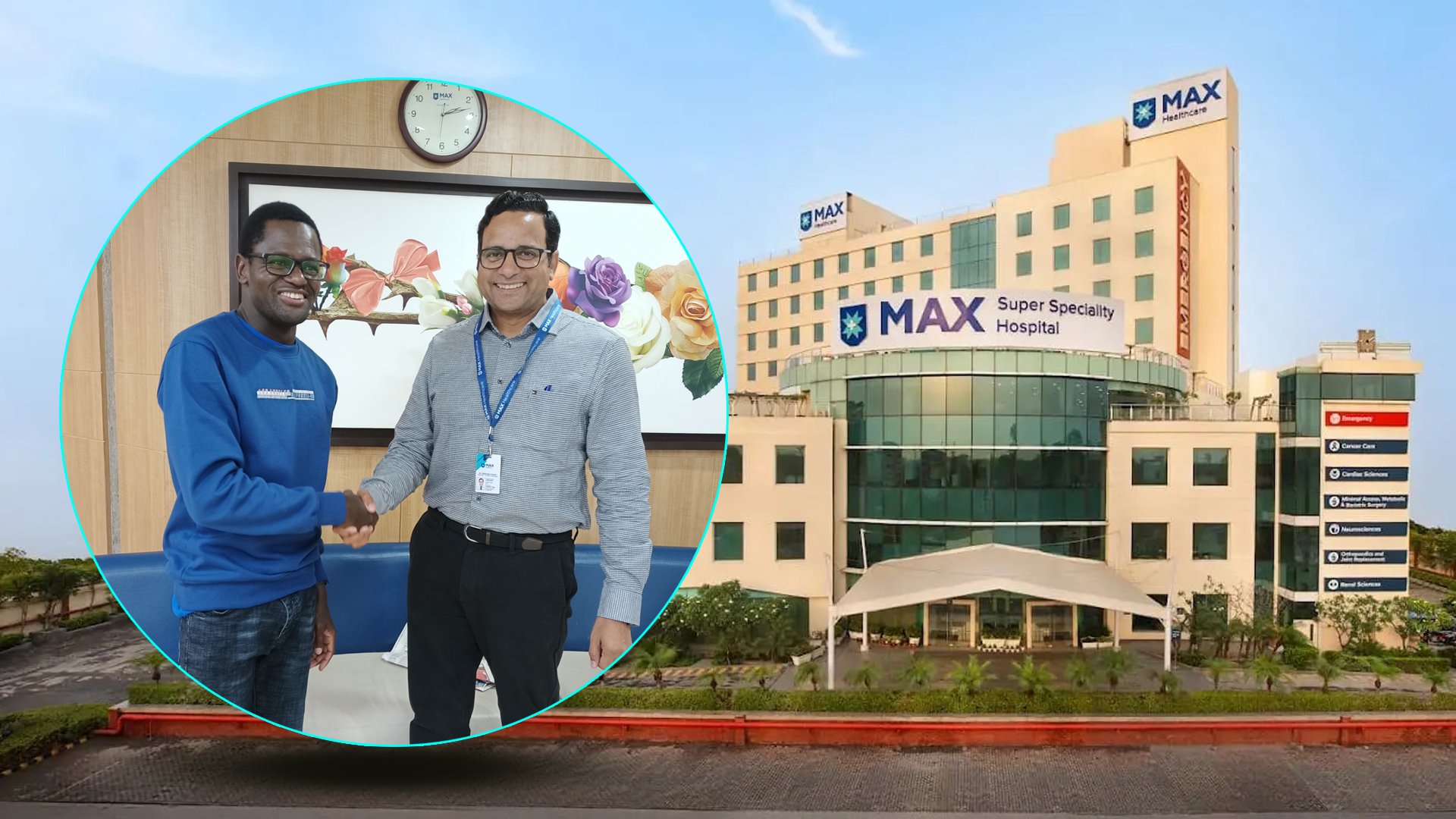
An image of Max Super Specialty Hospital with Kizito Namulanda (left) shaking hands with Dr. Rajender Kumar (inset)
Three and a half months later, I was cleared to travel back home after completing treatment. When I landed at JKIA, my uncle waited as I was wheeled out by my brother Peter Musumba, whom I had travelled with as my caregiver. My uncle quickly examined me and took me to where my wife was waiting. He had asked my wife not to come to the airport but to wait for me at a shopping center near home, where he would drop me after picking me up at the airport.
Covid-19 Precautions and Quarantine
Tears rolled down my wife’s cheeks when she saw me. Communicating by phone hadn’t prepared her for how wasted I looked. Before I traveled back, the government had issued Covid-19 spike alerts, so we had to be careful. The doctors had warned that my immune system was still very weak and could not fight infections, so we had to take every precaution to avoid infections. Covid-19 and malaria were major concerns.
It was tough. I was not allowed to entertain visitors or mingle with my family. Once home, I was effectively quarantined in my room, with no one allowed to enter. The only time someone came in was to bring food and collect the dishes afterward. In most cases, the person who delivered the food would leave it by the door and depart. I did everything possible to avoid contracting any communicable diseases. The hardest part, however, was containing my young son, who could not understand what was happening.
I was instructed to do blood tests every two weeks and send them over to Max Hospital in New Delhi for close monitoring before travelling back for review after three months. The only time I left my room was to do those tests; no one, not even close family members, could visit. Some relatives and friends could not understand the restrictions.
Echoes from Home
After some time, pressure from my family back in the village grew. Everyone wanted to visit, and there was concern that we might be hiding something. After consulting with my uncle, we decided to visit home for two or three days before returning, to ease the concerns and logistics without risking my health. We thought it would be easier for me to travel than allowing relatives to come to Nairobi visiting.
The moment I arrived home and word spread, my compound filled up with visitors. After a session with my nuclear family, I had to entertain more guests. Managing the interactions was not easy. Tears streamed down my cheeks when I saw the reactions of close friends and relatives. It was very emotional.
One elder’s response has never left my mind. He arrived while I was resting, he was received and served food, I entered the room while he was eating. My voice was so weak that I needed an amplifier to be heard, so he didn’t hear me when I said hello to him.
Moments later, he turned to one of the servers and said, “You people, I appreciate that you’ve given me some food, but what really brought me here is to see Mheshimiwa (that’s how they call me in the village). Where is he? He continued, “Although I am eating, I can’t say I’m enjoying this meal.” The room’s faces shifted between awkwardness and humor. Then one person asked, “And who is that looking at you?” It was at that moment when he realized that I was actually there next to him and he couldn’t recognise me. In shock, he stood, looked at me, and spoke in low tone in Kiswahili, “Mheshimiwa ni wewe?” (Mheshimiwa is that you?) I smiled and replied that it was me. Overcome with emotion, he simply washed his hands before leaving without saying any further words.
My village visit was very emotional, friends and relatives turned up to support me in prayer and words of encouragement. But controlling interactions was becoming a problem. When a friend who was running for the office of the Governor of Busia County heard that I had come home, he decided to come visit. The moment he arrived; word went round and within minutes the compound was full of people as it was just a few weeks to elections. It became another campaign rally! It was at that point when we realised that we were not going to manage the situation. We cut short the visit and travelled back to Nairobi the following morning.
Throughout the visit, I drew a lot of strength from a saying that was repeated to me by so many people, Kwalulukha Kulooma. It’s a Luhya saying that basically means it’s better for a tree to shed all its leaves in a dry season than to dry up, for when the rain comes, it will sprout back to life again. I am happy that today I am healed and strong enough to start all over again, a true testament to this popular saying.
Recurrence and the Hard Choices
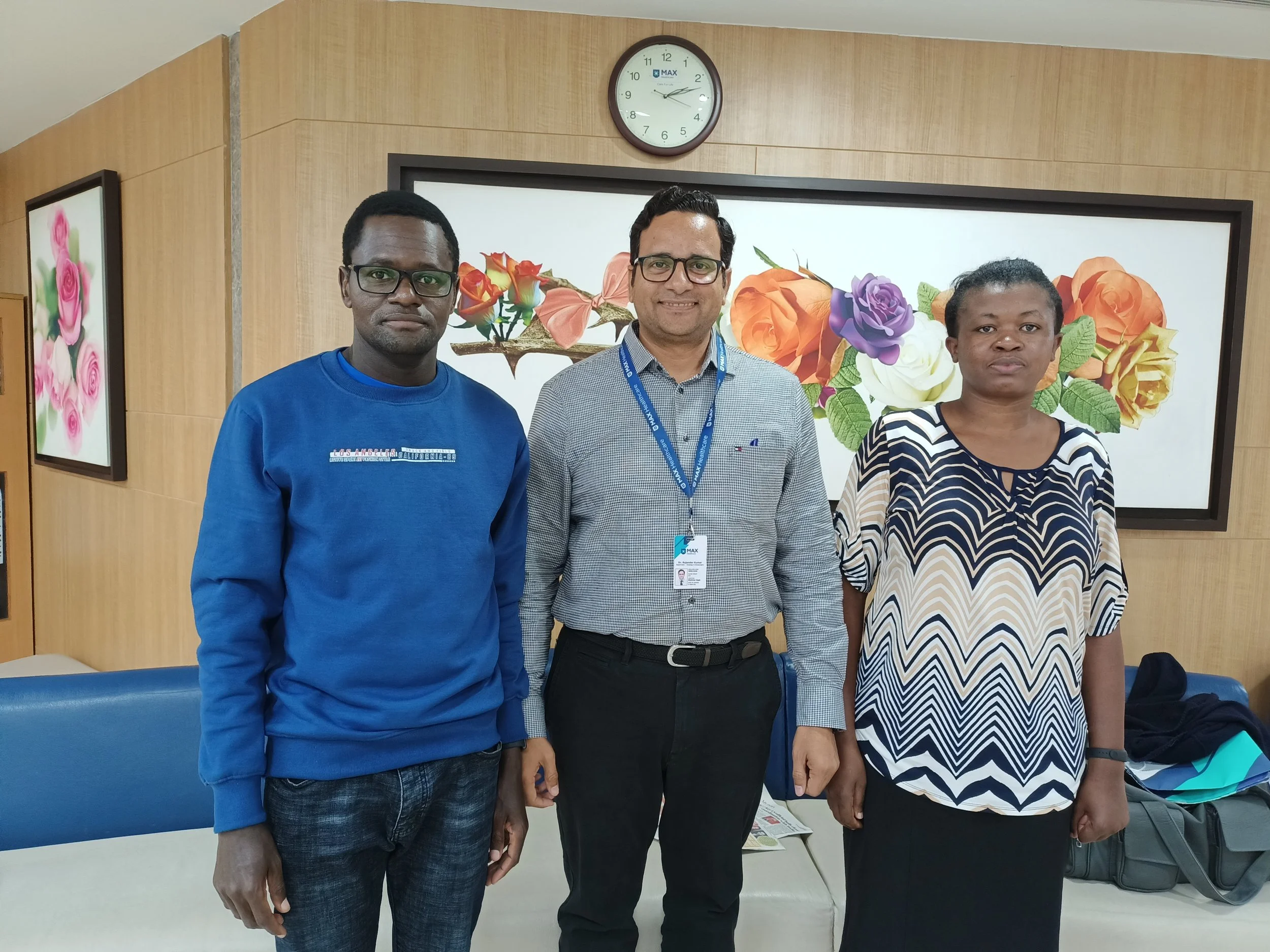
Kizito Namulanda pausing for a photo with Dr. Rajender Kumar and his wife Nancy Namulanda at Max Super Specialty Hospital Shalimar Bagh
After three months, I traveled back for review and follow-up treatment as prescribed, and all went well. The doctors were happy with my progress. I was scheduled for another review after six months, which also went well, followed by another six-month schedule. As that second six-month mark approached, my voice began changing again— became hoarse and weak. Worried, I scheduled a review with my doctor in Nairobi. It wasn’t the news I had hoped for. Just when I thought I had beaten the monster, signs of recurrence emerged. A PET-CT scan returned results I had prayed against.
The shock was overwhelming. For a day or two I felt like giving up, but with my family’s encouragement I pulled myself together and resolved to fight again. My mind wandered to what happened, but I knew I had to refocus. The options ahead were not encouraging. Since I had already undergone chemoradiation, the only viable option left was surgery—the removal of my entire voice box. The first, second, and third opinions all agreed: because the disease recurred after radiotherapy, I had no option but a total laryngectomy – meaning the whole voice box would be removed.
The doctors explained how technology was advanced with artificial voice boxes that can enable communication, but I kept the hope of saving my voice. I prayed endlessly to God to save my voice or at least part of it. I set out to seek a fourth opinion.
One morning, around 10 a.m., while at work (I had kept going to work as I sought out the best treatment options), I received a call from Mr. Chiragh Gandhi of Parishay Healthcare (formerly of Max Super Specialty Hospital—Nairobi). Mr. Chiragh had committed to finding me a doctor who could save my voice. That morning, he connected me with Dr. Biswajyoti Hazarika, the Chief of Head and Neck Surgery at Artemis Hospital in Gurgaon, New Delhi. Dr. Hazarika, after studying my records, said it was difficult to promise anything, but he would do his best to preserve my voice if I travelled to Artemis. He empathised, saying I was still young and needed my voice to earn a living as a broadcast journalist. He said he would be able to give a concrete diagnosis after further examination in Delhi.
Glimmer of Hope
That was all I needed—a glimmer of hope to cling to. I immediately started mobilising resources to travel to New Delhi again, this time to Artemis Hospital in Gurgaon. The doctors at Max where I had been before had ruled out the possibility of a partial laryngectomy.
When I arrived at the airport, my coordinator Mr. Manmohan Rawat, working closely with Madam Deepika Sundas, arranged for a driver from Artemis Hospital to pick me up. I was in the hospital the next morning and very happy to finally meet Dr. Biswajyoti Hazarika, who was accompanied by Dr. Priyanka Reina. He remembered our phone conversation. Once again, we began the examination stage, repeating all the tests, which included a direct laryngoscopy, a PET-CT scan, and a biopsy.
After full examination Dr. Hazarika again explained to me that the position of the cells looked tight, but he would try everything possible to spare the voice box. I remember him saying, “if you wake up and find that the whole voice box has been removed, just know that I really tried everything I could, but it didn’t work.” He promised me he would really do his best to save my voice.
The Surgical Moment: Voice Preservation and Hope
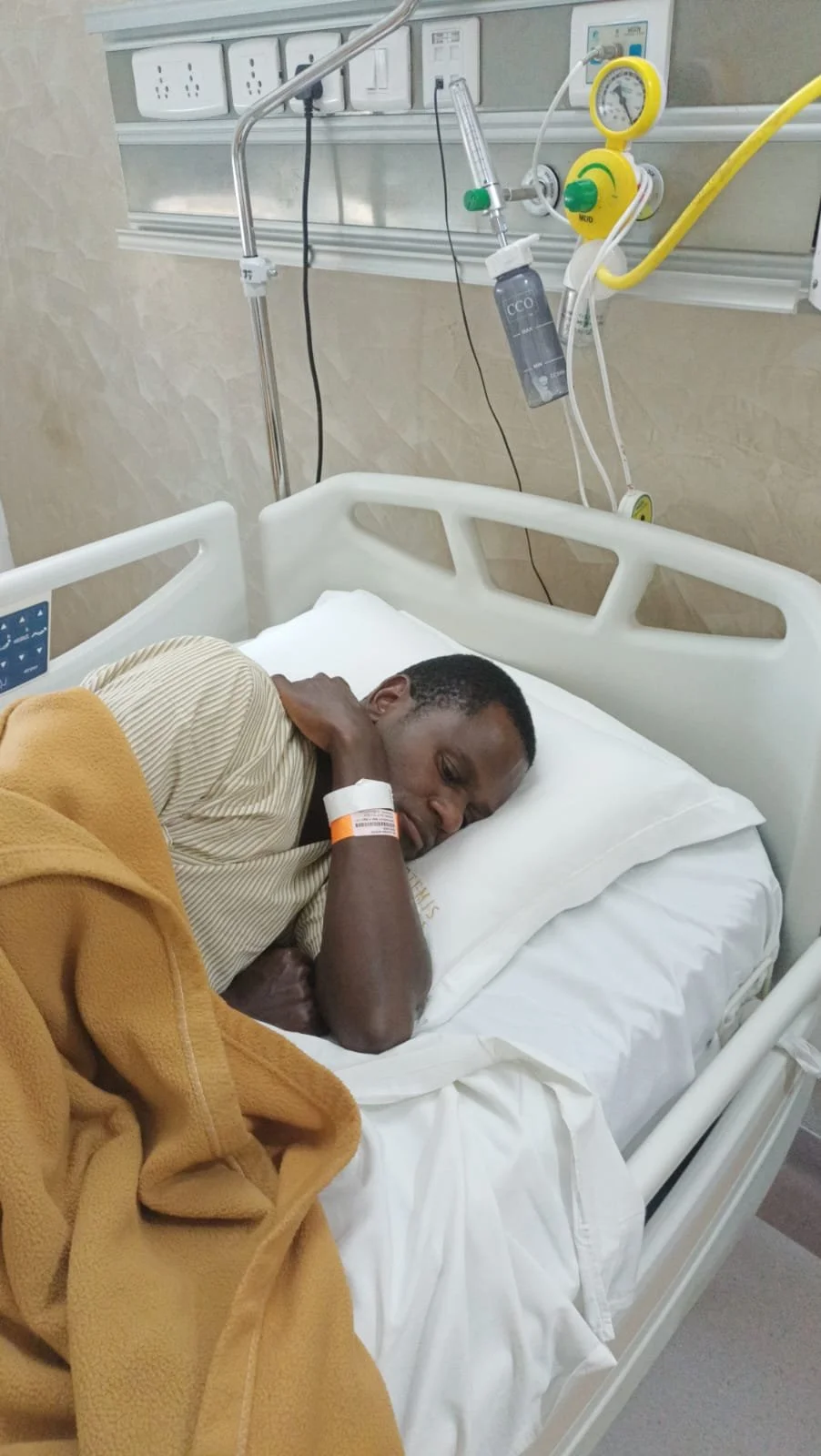
A Life-Changing Surgery
Kizito Namulanda in the surgical ward at Artemis Hospital, New Delhi, India, in May 2023, shortly before undergoing surgery for laryngeal cancer. The procedure, a partial laryngectomy, was performed by a team of oncology surgeons led by Dr. Biswajyoti Hazarika, with assistance from Dr. Priyanka Reina. Although the surgeons successfully preserved his voice box, the operation resulted in a permanent voice disability.
By the time I was heading to theatre, I was already receiving two sets of preparations—one for a partial and another for a total laryngectomy. I prayed day and night and clung to that little glimmer of hope. I remained optimistic that God would answer my prayers.
When it was finally time to go to the theatre, I had to summon every bit of courage, hope, and optimism in the world. In such moments, I usually turn to gospel songs for uplift, but at that hour they overwhelmed me with emotion and always found myself sobbing. I realized that I needed something to steady me, so I turned to soukous songs mostly by Kanda Bongoman. His music reminded me of my high school days, and my high school friends’ support had been a powerful ballast during that difficult moment. Kanda Bongoman himself, who is also a close friend, had personally encouraged me to go through the surgery without worrying much about the outcome, and at that hour I found courage in his songs as I prepared for the surgeon’s knife.
Before anesthesia, I offered silent prayers and surrendered everything to God. When I woke up, it felt like a movie scene: I was in ICU, strapped and immobile, with beeps all around. My wife who had accompanied me stood nearby, overwhelmed. Nurses checked me, and the doctors confirmed I had woken up. Though exhausted, I was still very eager to know how the operation went. Soon after, Dr. Priyanka Reina, who had worked closely with Dr. Hazarika, arrived at my bedside smiling with good news: they were able to keep part of my voice box after performing a partial laryngectomy. I felt immediate relief—my prayer had been answered. I smiled and silently thanked God.
Dr. Hazarika later explained that the operation was extremely complex—one that many doctors usually avoided – but he took it on because he really wanted to save my voice so I could continue earning a living as a broadcast journalist and not lose my job.
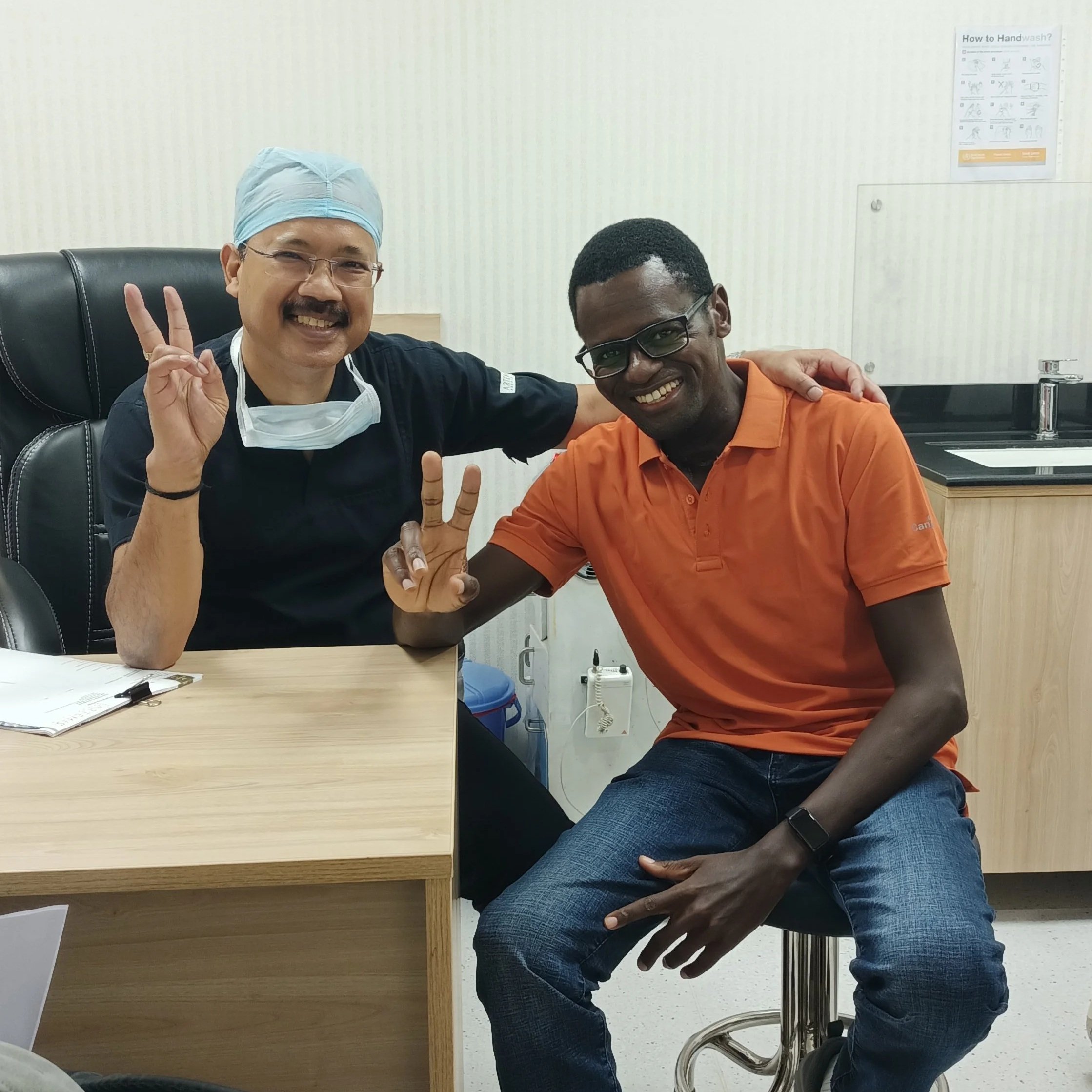
Kizito Namulanda (right) pausing with Dr. Biswajyoti Hazarika at Artemis Hospital after recovering from surgery
Termination Amid Recovery
Recovery was a very rough journey, particularly the first month, when I could only feed through pipes. After returning to Nairobi, I required regular trips to New Delhi for follow-up treatment, which I still make to this day, though not as regular as was the case immediately after surgery. On my first post-surgery review, three months later, I received a cruel blow: I was served a termination notice from my employer. A colleague had sent me a message to inform me he had received a termination notice and was reaching out to thank me for giving him a chance to work at KTN. I was in shock, as I wasn’t aware of any retrenchment plans in my department, but I encouraged him to stay strong and seek other opportunities.
Unknown to me, a similar letter had already been emailed to me. When I finally saw it, I didn’t know what to do. I was completely shaken and confused, but an inner voice urged me to prioritise that which was most important – health. After listening to that voice, I chose to focus on praying for a good medical report from the doctors. God answered again—the medical results were favorable. After recovering, I returned to Nairobi to plead my case, but the company stood firm: the decision was final. The company had blocked my access to office and my official email. I tried various ways to have that decision reversed but they stood firm, I had to go!
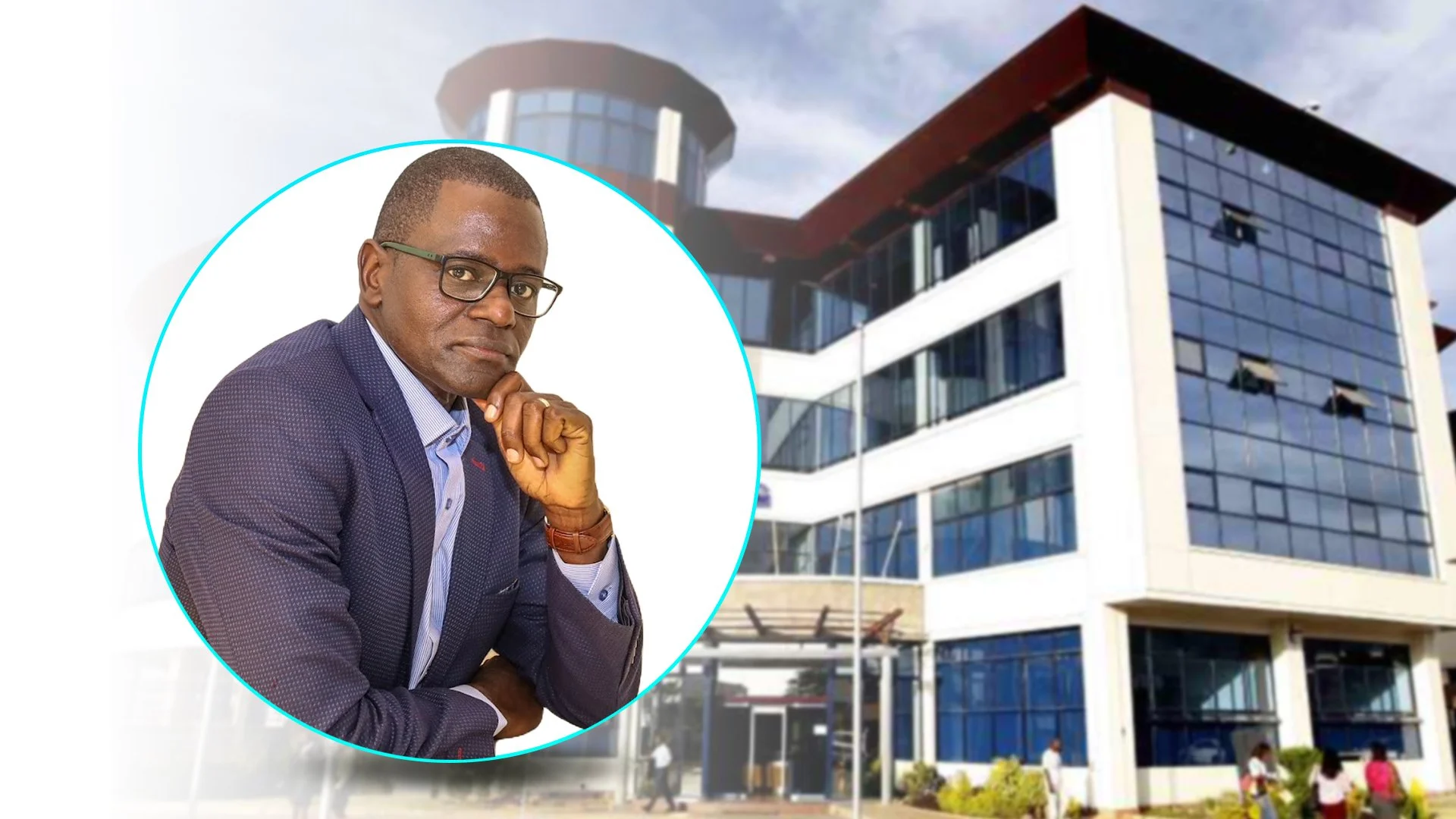
An image of the Standard Group offices. Kizito Namulanda (inset)
They later emailed my termination letters to formally indicate that my termination was not being revisited in any way, when I failed to pick them on the day they had indicated. I gave up hoping for a miracle and finally went to collect the letter. The company was offering severance payments in ten equal monthly installments rather than a lump sum. I pleaded for a one, or two-installment settlement given my condition, but they refused to discuss anything before I signed the termination letter. In fact, I was warned that if I delayed, I would miss the first installment, which was due in a month. In desperate need of that money, I signed. And that became the end of that chapter. 24 months later down the line, I am still pleading for settlement of my severance package. Not even that first installment was paid. It was just a bait to make me sign the documents. I have written several emails to explain how badly I need this money to get me out of my current financial strain that is threatening to take me back, but I still haven’t gotten any breakthrough. Still, I remain hopeful as I pray for a miracle.
Lessons learnt
I have learned many lessons going through this journey, but two stand out: first, God will never forsake you if you put your trust in Him; second, when faced with multiple battles, you must choose your priorities wisely. The journey was and is still tough, but I thank God I am in good health now and ready to start afresh. Each morning, like a football striker emerging from a drought, I pray for that one chance to put the ball in the net and bring back the joyful moments.
Do you have an inspirational experience or feedback that you would like to share? Please get in touch, email dkizito@gmail.com
