

Good Work Is Not Enough: Why Communication Wins Elections
By Kizito Namulanda
As Kenya edges closer to another election cycle, elected leaders seeking a fresh mandate are beginning to encounter the one question they cannot evade:
“What have you done since we elected you?”
It is the defining question of every re-election campaign.
For first-time candidates, elections are largely about promises. They have the luxury of selling hope, unveiling ambitious manifestos and painting a vision of a better future. Incumbents, however, do not enjoy that kind of privilege. Their campaign is no longer about what they intend to do; it is about what they have already done. Performance becomes the campaign.
Yet there is one lesson that many politicians continue to learn the hard way: performance alone does not guarantee political success.
In politics, work that is not effectively communicated is work that many voters will never know about.
When Achievement Becomes Invisible
Across the country, countless leaders have delivered roads, schools, hospitals, water projects, bursaries, youth programmes and community initiatives. Yet when election campaigns begin, some struggle to convince voters that they deserve another term.
The problem is often not a lack of achievements. It is a failure to communicate those achievements strategically, consistently and credibly.
Communication is not a ceremonial function of leadership. It is one of the pillars upon which successful political leadership is built. It is the bridge between governance and public understanding. It ensures that citizens not only see development but also understand its purpose, impact and long-term value.
Leaders who invested in strong communication systems from the beginning of their term are now beginning to reap the rewards of that foresight. Their records are documented. Their projects are traceable. Their stories are supported by evidence. Their engagement with citizens has been continuous rather than seasonal.
Those who neglected communication now find themselves rushing to reconstruct five years of public service in a few months of campaign activity.
Publicity Is Not Strategic Communication
Unfortunately, many politicians still misunderstand what communication actually means.
To them, communication begins when a convoy arrives at a public function and ends after photographs and videos have been uploaded to social media. That is publicity. It is not strategic communication.
Photography, videography and social media are merely tools within a much broader communication ecosystem. A professional communications function does far more than capture events. It documents progress, shapes public understanding, builds institutional credibility, strengthens stakeholder relationships and protects the reputation of the office.
Why Every Leader Needs a Professional Communications Unit
An effective communications unit should be established at the beginning of a leader’s tenure—not months before an election.
It should comprise professionals responsible for strategic messaging, media relations, digital communication, research, speech writing, stakeholder engagement, documentation and reputation management. Together, these functions create a comprehensive communication system that supports leadership throughout the electoral cycle.
Every public activity should be documented—not simply through photographs and videos, but through reports, statistics, testimonies, case studies and measurable outcomes. Documentation creates institutional memory. Communication transforms that memory into public value.
The Discipline of Deliberate Messaging
Importantly, not everything documented should immediately be published.
Effective communication requires judgement. Some information informs internal decision-making. Some supports policy development. Some is archived for future reference. What reaches the public should do so through a deliberate strategy that considers timing, audience, messaging and the broader political environment.
Good communication is never accidental. It is carefully planned.
Politics Is a Battle of Narratives
Another critical responsibility of a communications unit is narrative leadership.
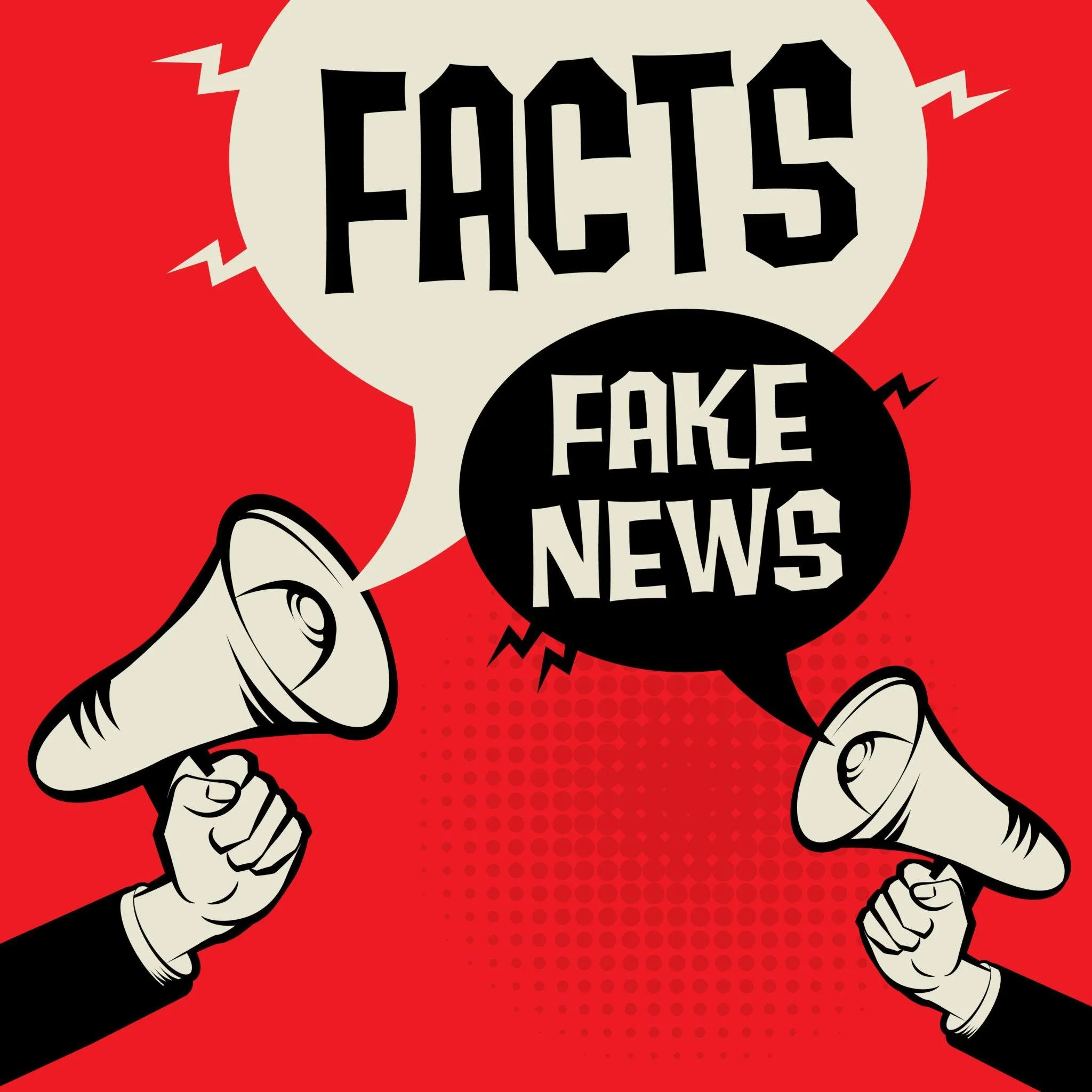
Politics is increasingly becoming a battle of narratives. In the age of social media, perception often travels faster than facts. Falsehoods spread rapidly. Half-truths gain traction. Opponents define stories before leaders have responded.
A leader who does not actively shape the narrative surrounding their office eventually becomes the subject of someone else’s narrative. That is a dangerous place to be.
An effective communications team anticipates issues before they become crises. It explains policy decisions before misinformation fills the information vacuum. It responds quickly to false claims while reinforcing facts with evidence. It helps the public understand not only what government is doing, but why it matters.
Communication therefore becomes an essential instrument of governance—not merely an election campaign tool.
Building Trust Through Continuous Engagement
Equally important is establishing effective communication channels both inside and outside the office.
Internal communication ensures that staff, advisers and implementing teams remain aligned with the leader’s priorities. External communication keeps citizens informed through traditional media, digital platforms, community forums, newsletters and direct public engagement.
When these channels function effectively, communication strengthens transparency, accountability and public trust. Most importantly, it gives citizens the information they need to make informed democratic choices.
The Electoral Cost of Silence
As campaign season intensifies, political leaders should remember one simple truth:
Voters cannot reward achievements they have never seen, understood or connected with.
Development that remains invisible will never earn political credit. Genuine accomplishments that are poorly documented are easily forgotten. Important reforms that are never explained become vulnerable to distortion and misinformation.
Communication cannot substitute for performance. But performance without communication is often politically invisible.
The Leaders Who Will Have the Advantage
The leaders who will enter the next election with the greatest advantage will not necessarily be those who held the most press conferences or posted the most photographs online.
They will be those who understood that communication is a strategic leadership function—one that documents evidence, builds trust, shapes public understanding and continuously demonstrates accountability.
In modern politics, communication is no longer optional.
The writer is a Journalist, Narrative Strategist and Communication Consultant.
